2026-01-24
Overview
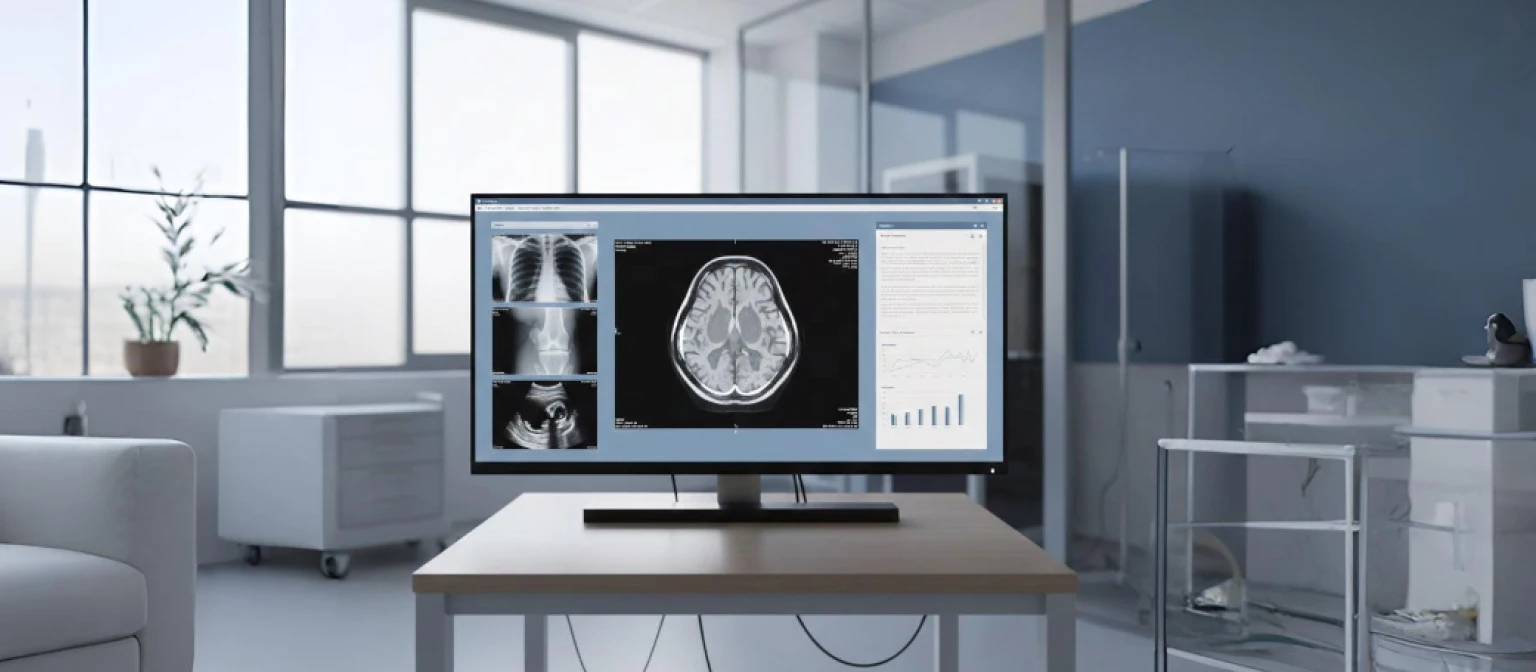
PACS radiology has evolved rapidly as medical imaging moves deeper into the digital and AI-driven era. Everrtech's NeoRad PACS leads this transformation by delivering intelligent, secure, and high-performance medical imaging technology for modern diagnostic centers.
As radiology workflows become more data-intensive, remote, and collaborative, NeoRad PACS eliminates the limitations of legacy systems. With AI-assisted diagnostics, hybrid-cloud architecture, and teleradiology-ready design, PACS radiology now serves as the central engine of clinical imaging operations.
How PACS Radiology Supports Medical Centers
1. Intelligent Image Acquisition & Management
Modern imaging modalities generate massive volumes of data. NeoRad PACS seamlessly ingests images from CT, MRI, PET-CT, X-ray, and Ultrasound systems, ensuring fast, reliable handling of even high-resolution, multi-slice studies.
2. Advanced Diagnostic & Viewing Tools
PACS radiology is no longer just about storage. NeoRad PACS provides a full diagnostic environment, including:
- Zero-Footprint Viewer: Access diagnostic-quality images on any browser.
- Advanced Hanging Protocols: Faster interpretation and reduced reading time.
- MPR & 3D Reconstruction: Enhanced visualization for complex cases.
- AI-Assisted Detection: Flags abnormalities and prioritizes urgent studies.
- Image & Report Linking: Seamless correlation of findings with studies.
3. Secure, Vendor-Neutral, and Scalable
Security and data ownership are critical in 2026. NeoRad PACS uses encrypted transmission, role-based access, and Vendor Neutral Archive (VNA) architecture to ensure long-term data flexibility while meeting healthcare cybersecurity standards.
4. Optimized Workflow for Radiologists & Administrators
PACS radiology improves efficiency across departments by reducing manual tasks, eliminating film usage, and supporting unified RIS-PACS workflows. Administrators benefit from simplified system maintenance, while radiologists experience faster reporting and reduced turnaround times.
Why PACS Radiology Matters in 2026
- AI-Driven Diagnosis: Improves accuracy and speeds up clinical decision-making.
- Teleradiology Ready: Enables secure remote reporting and collaboration.
- Future-Proof Architecture: Hybrid-cloud and vendor-neutral design.
- Operational Cost Savings: Eliminates film, reduces repeat imaging, and lowers IT overhead.
Feature Highlights
| Feature | Benefit to Medical Centers |
|---|---|
| Universal Modality Connectivity | Seamless integration with all imaging equipment |
| Zero-Footprint Web Viewer | Access images anywhere without software installation |
| AI-Assisted Imaging | Faster diagnosis and improved clinical confidence |
| Vendor Neutral Archive (VNA) | Complete data ownership and long-term flexibility |
| Integrated Teleradiology | Remote reporting and specialist collaboration |
| Scalable Deployment | Suitable for clinics, diagnostic chains, and hospitals |


