2026-02-20
Radiology Software in 2026
For diagnostic centers and hospitals, the term radiology software has undergone a massive transformation. It is no longer just about having a digital place to store X-rays (PACS) or a calendar to book appointments (RIS). Today, the software acts as the active "co-pilot" in the reading room.
With scan volumes at historic highs and radiologist burnout remaining a critical issue, legacy systems are failing to keep up. Here is how the landscape of radiology software has evolved this year and what your center needs to stay competitive.
In 2026, the Best Radiology Software Will Be Unified
Single-Pane Workflow
Patient history, prior lab results, current images, and the reporting interface now live in a single window - eliminating system switching and improving efficiency.
Smart Orchestration
The software doesn't just list patients alphabetically. It intelligently routes cases to the right specialist (for example, sending a complex Cardiac CT to a cardiologist) based on availability and credentialing.
3 Features Your Radiology Software Must Have in 2026
If you are evaluating new vendors this year, ensure they offer more than just basic viewing capabilities. A 2026-ready system must include:
1. Zero-Footprint, High-Fidelity Viewing
Radiologists are working from everywhere - hospital reading rooms, home offices, and satellite clinics. Your radiology software must stream full-fidelity DICOM images to any browser without requiring heavy installations or VPN headaches.
2. "Invisible" AI Integration
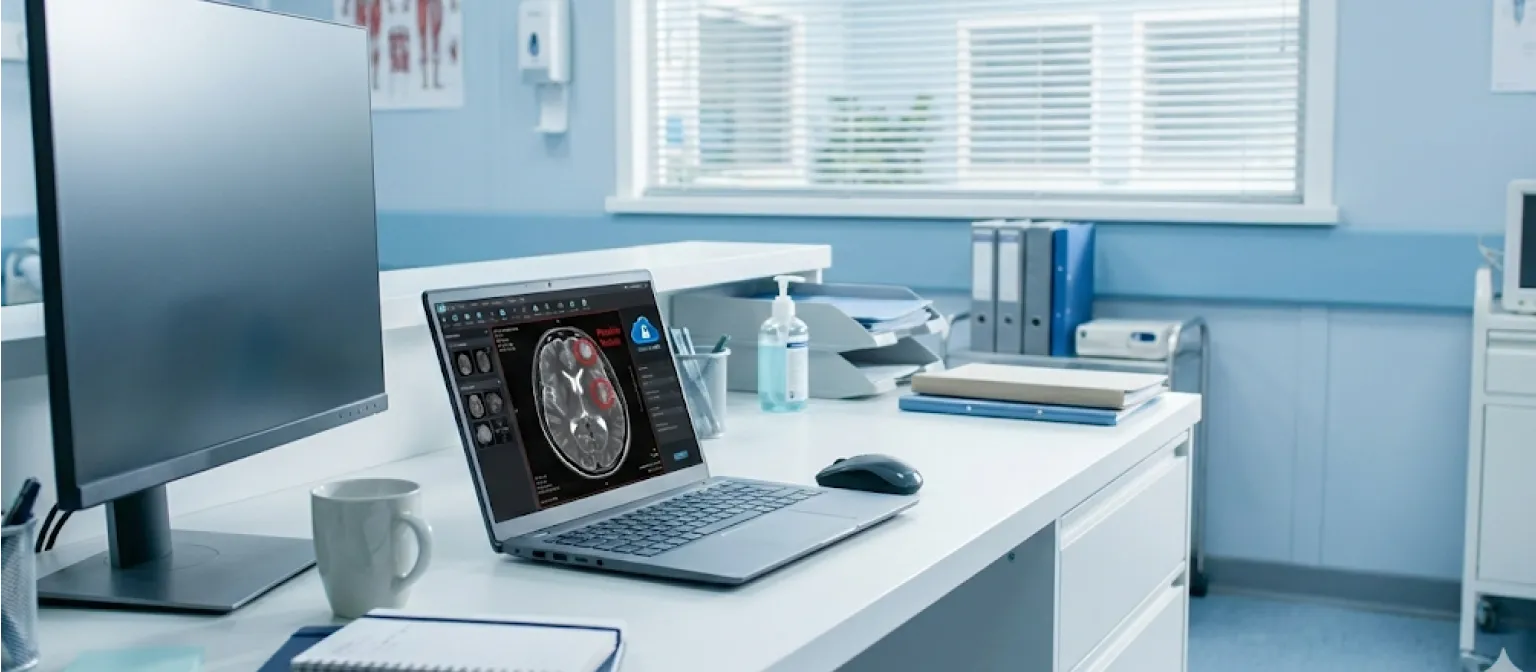
You shouldn't have to click a separate button to "run AI." The best software runs algorithms in the background. It automatically measures heart size, detects fractures, or flags abnormalities and presents those findings as a layer on the image, ready for the doctor to verify or reject.
3. Automated Patient Engagement
The workflow doesn't end when the report is signed. Modern radiology software now automates the delivery of results. Patients expect to receive a secure link to their images and reports via SMS or WhatsApp immediately after verification, reducing the administrative burden on your front desk.
Conclusion: The Everrtech Advantage
The era of siloed systems is over. In 2026, a diagnostic center cannot function efficiently if its radiology software is fragmented.
At Everrtech, we have built NeoRad to be the unified engine of the modern imaging center. By combining RIS, PACS, and AI-driven reporting into one seamless platform, we aren't just storing images - we are giving radiologists their time back.


