RIS PACS: The Single Platform Revolution

Unified RIS PACS platforms powered by AI and hybrid cloud architecture are redefining radiology workflows and improving patient care.

Radiology Has Changed

For decades, radiology centers operated in silos. Radiology Information Systems (RIS) handled administrative workflows while Picture Archiving and Communication Systems (PACS) managed medical images. These systems rarely communicated efficiently, leading to data entry errors, slow reporting, and workflow inefficiencies.

Today’s modern diagnostic centers use Unified RIS PACS platforms that combine both systems into a single architecture for faster workflows and improved patient care.

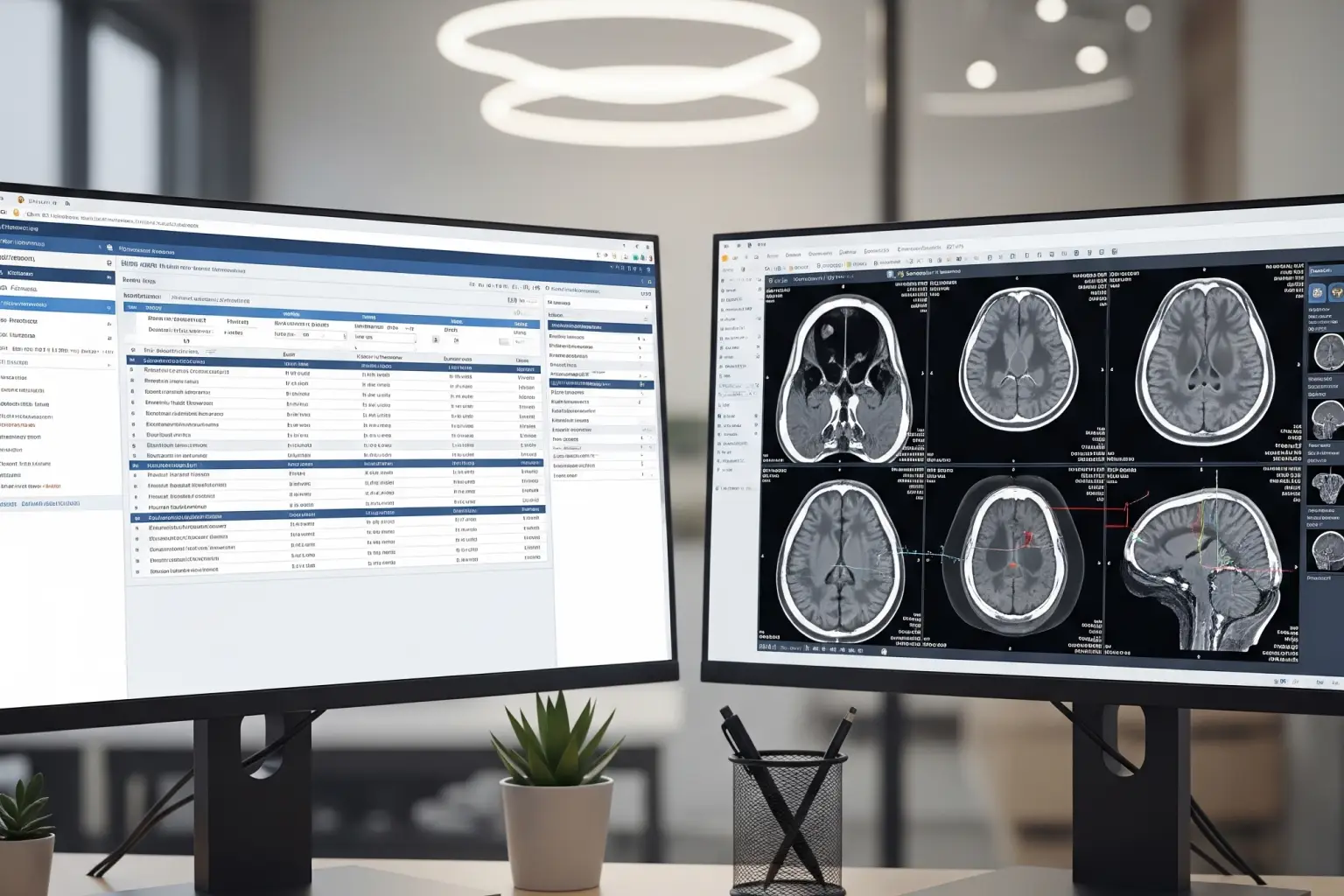
Radiology workflow RIS PACS system

What is RIS PACS?

What is RIS?

The Radiology Information System (RIS) is the "Office Manager" of imaging. It handles the business and logistical side of the workflow.

  • Core Functions: Patient registration, scheduling (Modality Worklist), billing, insurance verification, and report distribution
  • The 2026 Upgrade: Modern RIS now uses predictive AI to reduce patient no-shows and optimize scanner utilization rates.

What is PACS?

The Picture Archiving and Communication System (PACS) is the "Digital Library." It manages the storage and viewing of medical images.

  • Core Functions: Storing DICOM images (X-ray, MRI, CT), retrieving historical studies, and providing viewing tools (zoom, contrast, measurement) for diagnosis.
  • The 2026 Upgrade: Modern PACS are now Vendor Neutral Archives (VNA), meaning they can store data from any machine manufacturer without proprietary locks.

What is Unified RIS PACS?

This is the Everrtech Standard. It is a single software architecture where clinical images and

RIS vs PACS vs Unified System

Feature Legacy RIS Legacy PACS Unified RIS PACS
Primary Function Scheduling & Billing Image Storage End-to-End Workflow
Data Entry Manual Entry Manual Entry Single Entry
Radiologist View Patient History Images Only History + Images + Reports
Turnaround Time Slow Slow Instant
Maintenance Separate Vendor Separate Vendor Single Vendor Support

Why 2026 Demands a Unified System

The "Toggle Tax" is Eliminated

Radiologists used to lose hours every week simply switching between the RIS (to see why the patient is here) and the PACS (to see the scan). A Unified RIS PACS presents the clinical history, prior reports, and current images on a "Single Pane of Glass."

  • Result: 20-30% faster reporting speed.

AI is Native, Not an Add-On

In 2026, AI will not be a separate plugin. In a unified system like NeoRad, AI algorithms run in the background of the RIS PACS workflow.

  • Triage: The system detects a brain bleed on a CT scan and automatically moves that patient to the top of the radiologist’s worklist
  • Pre-Fetching: The system predicts which historical priors are needed and loads them before the doctor even opens the file.

Teleradiology Without Borders

With the rise of remote reporting, your RIS PACS must be accessible via the web.

  • Zero-Footprint Viewing: Access full-fidelity diagnostic images on any browser (Chrome, Edge, Safari) without installing heavy software.
  • Secure Streaming: Data is streamed, not downloaded, ensuring patient data (PHI) never leaves the secure server.

Why Trust Everrtech?

In a market flooded with startups and legacy giants, Everrtech stands out by balancing innovation with stability. We don't just build software; we build careers and long-term partnerships.

Employee-Validated Culture (AmbitionBox)

Great support starts with happy employees. Everrtech is rated 4.1/5 stars on AmbitionBox, a testament to our strong internal culture and skill development.

  • Why this matters to you: A stable, satisfied engineering team means consistent software updates, reliable customer support, and a partner that isn't going anywhere.

Recognized Innovation

We are deeply embedded in the global tech ecosystem. Our presence on F6S highlights our commitment to connecting with the best minds in startups and technology to keep our RIS PACS on the cutting edge.

  • Why this matters to you: You are buying technology that is future-proof, backed by a community of innovators.
Frequently Asked Questions

RIS PACS is a unified medical imaging platform that combines the Radiology Information System (RIS) and Picture Archiving and Communication System (PACS). It allows healthcare providers to manage patient data, medical images, and diagnostic reports within a single integrated workflow.
RIS manages administrative tasks such as patient scheduling, registration, billing, and reporting workflows. PACS stores and manages diagnostic images like X-rays, CT scans, and MRI studies. A unified RIS PACS platform integrates both systems for a seamless radiology workflow.
Yes. Modern RIS PACS systems follow the DICOM standard, allowing integration with imaging machines from manufacturers such as GE Healthcare, Siemens Healthineers, Philips, and other vendors.
Yes. Cloud-based RIS PACS systems use advanced security technologies such as TLS encryption, secure authentication, and role-based access control (RBAC) to ensure patient data protection and regulatory compliance.
A unified RIS PACS system uses a single database for patient demographics, imaging studies, and reports. This eliminates duplicate entries and prevents mismatches in patient records, significantly reducing operational errors.